

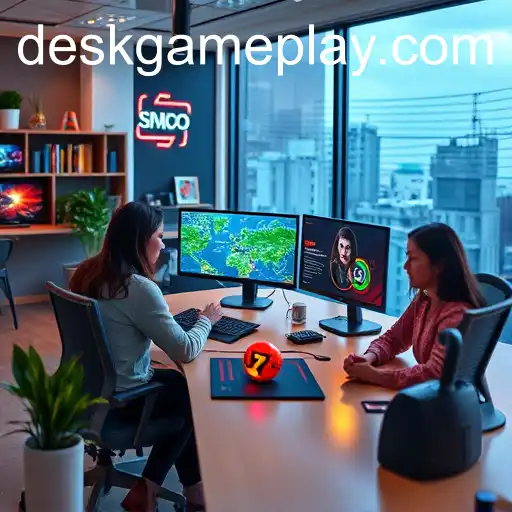
In recent years, the concept of 'desk games' has gained significant traction in workplace environments, emerging as a fascinating fusion of productivity and relaxation. As businesses increasingly prioritize employee well-being and creativity, these interactive experiences are becoming staples in modern offices.
Desk games, ranging from simple puzzles to elaborate virtual experiences, cater to the diverse preferences of employees, offering brief escapes from daily work stress. The core idea is not merely about entertainment but about fostering a collaborative and engaging atmosphere that can lead to improved work-life balance.
The year 2025 has witnessed a surge in innovative designs of desk games, directly influenced by technological advancements and the shift towards hybrid work models. Companies like Google and Microsoft have invested in custom-designed gaming setups to enhance engagement and reduce burnout. Reports indicate that incorporating desk games can boost productivity by up to 15%, highlighting a growing trend of gamified work environments.
Industry experts argue that the integration of these games reflects a broader cultural shift. Commentary on this trend suggests that the modern workforce values flexible and stimulating work conditions, where elements of play encourage creativity and innovation. This dynamic has opened discussions on how desk games can be tailored to meet different professional roles and departmental needs.
Moreover, the interaction with desk games fosters camaraderie among colleagues, breaking down hierarchical barriers and improving communication. As evidence of their effectiveness mounts, many HR departments are crafting policies specifically around gamification.
In conclusion, desk games represent more than just leisurely activities; they encapsulate a strategic move towards a more holistic work environment. As we advance deeper into 2025, the relevance of these games appears poised only to expand, continuously influencing the dynamics of modern workplaces.